


The story of Cain and Abel cuts to the heart of what true worship really means. Abel brought the firstborn of his flock, the very best of what he had, as an act of genuine faith and gratitude. His offering was not a transaction but a testimony. Cain, on the other hand, approached God out of obligation rather than devotion. God did not reject Cain's offering arbitrarily. He responded to the condition of each man's heart. As Scripture confirms in Hebrews 11:4, it was Abel's faith that made his offering acceptable. And Hebrews 11:6 reminds us that without faith, it is impossible to please God at all. This same principle appears throughout Scripture, from God choosing David over his more impressive brothers to Jesus honoring the poor widow who gave everything she had. God consistently looks past outward appearances and into the heart of the giver.
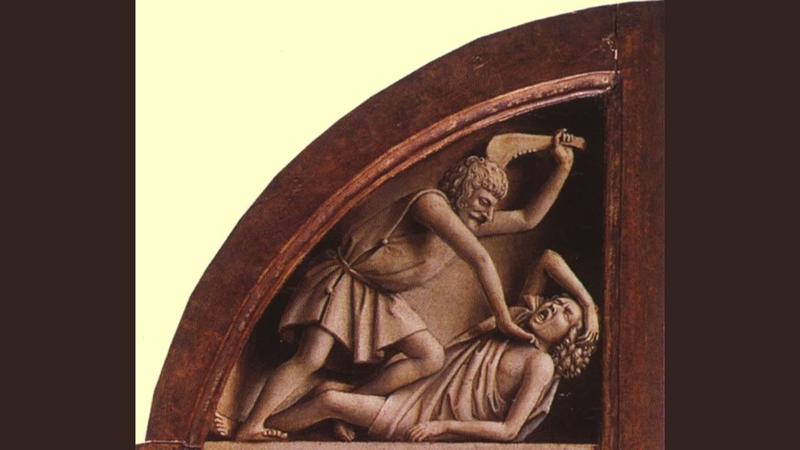
When Cain's offering was rejected, he did not respond with humility or self-reflection. He became furious. God came to him directly, warned him that sin was crouching at the door, and offered him a clear path forward. Cain refused that grace and chose instead to act on his anger, with tragic results. His story is a sobering reminder of what happens when we let anger go unaddressed. Jesus Himself taught that unresolved anger is a barrier to worship, and that we should make things right with others before bringing our gifts to God. Yet even in the darkness of Cain's story, there is hope. Abel's blood pointed forward to something greater. In Hebrews 12, we are told that Jesus' blood speaks a better word than the blood of Abel. His sacrifice is the ultimate offering, covering everything we could never cover on our own. In light of that, we are each invited to examine what we are truly bringing to God, and to offer Him not a polished performance, but our whole and honest heart.

